
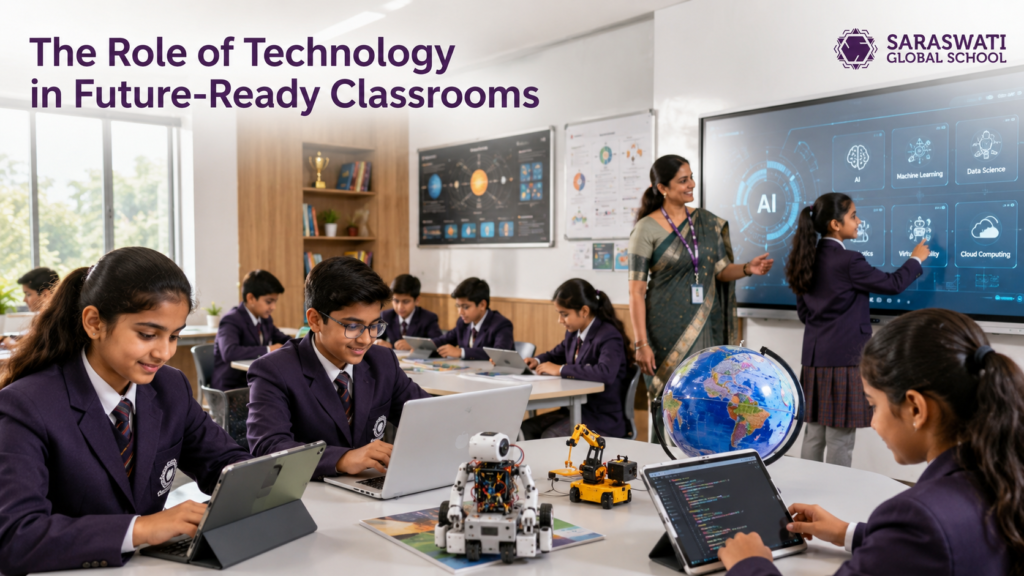
Technology has transformed nearly every aspect of our lives, and education is no exception. Today’s classrooms are no longer limited to blackboards and textbooks. Digital tools, smart classrooms, interactive learning platforms, and innovative teaching methods have created engaging learning environments where students develop the knowledge and skills needed for the future. This shift is one of the reasons why parents searching for the Best school in Faridabad often prioritize institutions that successfully combine technology with quality education.
Why Technology Matters in Modern Education
The world is changing rapidly, and students need more than academic knowledge to succeed. They must develop problem-solving abilities, digital literacy, communication skills, and adaptability. Technology helps schools create interactive lessons that make learning more engaging and easier to understand. Instead of simply memorizing concepts, students actively participate through presentations, simulations, educational applications, virtual experiments, and collaborative projects.
Interactive learning also improves student engagement by encouraging curiosity and creativity. Children become active participants rather than passive listeners, resulting in better understanding and long-term retention of concepts.
Smart Classrooms Enhance Learning Experiences
Modern classrooms are equipped with digital boards, multimedia presentations, online resources, and interactive educational software. These tools help teachers explain complex topics using videos, animations, and real-life examples, making learning enjoyable and effective.
Parents looking for the Top schools in Faridabad often consider institutions that invest in smart classrooms because they create a dynamic learning environment where every student can learn at their own pace. Technology also enables teachers to personalize instruction according to individual learning needs, ensuring better academic outcomes.
Preparing Students for a Digital Future
Technology is no longer an optional skill—it is a necessity. Future careers will require students to understand digital platforms, artificial intelligence, coding, data analysis, and emerging technologies. Schools that introduce these concepts at an early stage help students build confidence and remain prepared for higher education and professional opportunities.
Coding workshops, robotics programs, STEM education, virtual laboratories, and project-based learning encourage students to think critically and solve real-world problems. These experiences help them become innovative thinkers who can confidently adapt to changing technologies.
Balancing Technology with Human Values
While technology offers countless advantages, effective schools understand that it should complement—not replace—human interaction. Teachers continue to play the most important role in inspiring students, guiding discussions, encouraging collaboration, and supporting emotional development.
The Best schools in Faridabad maintain this balance by combining digital learning with classroom discussions, teamwork, sports, arts, and cultural activities. This approach ensures students receive both technological exposure and essential life skills such as empathy, communication, leadership, and teamwork.
Personalized Learning Through Technology
Every child learns differently. Some students understand concepts through visual demonstrations, while others benefit from practical activities or interactive exercises. Technology allows educators to personalize lessons according to different learning styles, helping every student perform to the best of their ability.
Online assessments, digital progress tracking, and adaptive learning platforms also enable teachers to identify learning gaps early and provide timely support. This personalized approach boosts confidence, reduces academic stress, and encourages continuous improvement.
Developing Essential 21st-Century Skills
Future-ready classrooms are designed to help students become independent learners. Through technology-enabled projects, presentations, group discussions, and research activities, students develop skills that extend beyond academics.
These include:
- Critical thinking
- Creativity and innovation
- Communication skills
- Collaboration and teamwork
- Digital literacy
- Leadership abilities
- Problem-solving skills
These competencies prepare students to excel not only in examinations but also in future workplaces where adaptability and innovation are highly valued.
Safe and Responsible Technology Usage
Technology in education also comes with the responsibility of teaching students how to use digital resources wisely. Schools play an important role in promoting cyber safety, responsible internet usage, digital ethics, and online communication.
By learning these principles from an early age, students become responsible digital citizens who understand both the opportunities and responsibilities of using technology.
Looking Ahead
Education will continue to evolve as new technologies emerge. Artificial Intelligence, Virtual Reality, Augmented Reality, and personalized learning systems are already transforming classrooms around the world. Schools that embrace these innovations while maintaining strong academic values will continue to prepare students for lifelong success.
Parents should look for institutions that encourage curiosity, innovation, and practical learning while creating a supportive environment where children feel confident exploring new ideas and technologies.
Conclusion
Technology has become a powerful tool for improving education, making learning more engaging, interactive, and relevant to today’s world. However, true educational excellence comes from combining technological innovation with experienced teachers, strong values, and holistic student development.
Families seeking an institution that balances modern teaching methods with academic excellence often consider the Best school in Tigaon Faridabad, where students are encouraged to develop digital skills, critical thinking, creativity, and the confidence needed to succeed in an ever-changing future.