
Joint pain has become a common issue among people of all age groups. Whether caused by arthritis, muscle stiffness, aging, injury, or long working hours, the discomfort can affect daily life and mobility. Many people now prefer natural remedies instead of relying heavily on medicines, and using the Best Balm for Joint Pain is one of the most effective ways to get quick and soothing relief naturally. A good balm can help reduce inflammation, improve blood circulation, and relax stiff muscles without harsh side effects. For individuals dealing with spinal discomfort or muscle tension, a Natural Back Pain Balm can also provide targeted comfort and support for everyday movement.
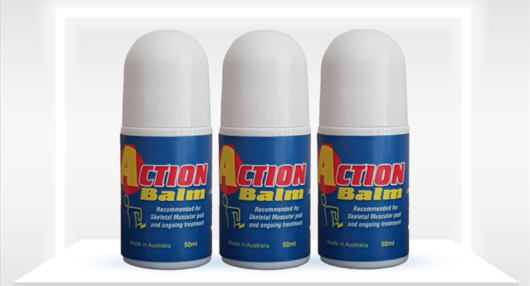
Natural balms are made with herbal ingredients, essential oils, and traditional pain-relief formulas that provide comfort to sore joints. However, choosing the right balm requires understanding the ingredients and how they work on the body.
Why Natural Balms Are Effective for Joint Pain
Natural balms are popular because they target pain directly at the affected area. Unlike oral painkillers, balms are applied externally, which reduces the risk of unwanted side effects. Most herbal balms, including Natural Back Pain Balm, contain warming or cooling ingredients that help relax muscles and reduce swelling.
Some key benefits of natural joint pain balms include:
- Quick absorption into the skin
- Fast relief from stiffness and discomfort
- Improved blood circulation
- Relaxation of sore muscles and joints
- Fewer chemical ingredients compared to synthetic products
- Suitable for daily use in many cases
People suffering from knee pain, shoulder pain, back pain, neck stiffness, or arthritis often prefer natural balms for temporary and soothing relief.
Ingredients to Look for in the Best Joint Pain Balm
Not all balms work the same way. The effectiveness of a balm depends mainly on its ingredients. The best natural balms usually contain herbal extracts and essential oils known for their anti-inflammatory and pain-relief properties.
Menthol and Camphor
Menthol provides a cooling sensation that helps numb pain temporarily, while camphor creates warmth that relaxes stiff joints and muscles. Together, they improve circulation and provide immediate comfort.
Eucalyptus Oil
Eucalyptus oil is widely known for its anti-inflammatory properties. It helps reduce swelling and provides a soothing effect on painful joints.
Turmeric Extract
Turmeric contains curcumin, a natural compound with strong anti-inflammatory benefits. Balms with turmeric can help manage joint stiffness and discomfort naturally.
Wintergreen Oil
Wintergreen oil acts similarly to natural pain relievers and is commonly used in herbal balms for arthritis and muscle pain.
Ayurvedic Herbs
Many traditional balms include Ayurvedic ingredients like Ashwagandha, Nilgiri oil, clove oil, and ginger extract that support natural pain management.
How to Choose the Right Balm for Your Needs
Finding the right balm depends on the type and severity of joint pain. Some balms are designed for quick cooling relief, while others provide deep warming action for chronic stiffness.
Here are a few important factors to consider:
- Check whether the balm is herbal or chemical-based
- Read the ingredient list carefully
- Choose non-greasy formulas for easy application
- Avoid products with strong artificial fragrances if you have sensitive skin
- Look for dermatologist-tested or clinically tested products
- Select a balm suitable for your pain type, such as arthritis, sports injury, or muscle stiffness
People with sensitive skin should always perform a patch test before regular use.
Best Ways to Use Joint Pain Balm Naturally
Applying balm correctly can improve its effectiveness. Simply rubbing a large amount may not provide better results. Proper application helps the ingredients penetrate deeply into the painful area.
Follow these simple steps for best results:
- Clean and dry the affected area before applying
- Take a small amount of balm and massage gently
- Use circular motions for better absorption
- Avoid applying on cuts or irritated skin
- Wash hands after use
- Apply two to three times daily if recommended
For chronic pain, combining balm application with stretching exercises, proper hydration, and a healthy diet can improve long-term comfort.
Natural Remedies That Work Well Alongside Balms
Although balms provide temporary relief, combining them with healthy lifestyle habits can help reduce recurring joint pain naturally.
Some effective practices include:
- Regular low-impact exercise like walking or yoga
- Maintaining a healthy weight
- Eating anti-inflammatory foods such as turmeric, nuts, and leafy greens
- Staying hydrated
- Using hot or cold compress therapy
- Taking enough rest and improving posture
These habits support joint health and may help reduce dependence on pain-relief products over time.
Conclusion
Natural balms can be an excellent solution for people looking for safe and soothing relief from joint discomfort. The right balm can reduce stiffness, improve movement, and provide quick comfort without relying heavily on medications. Choosing the best product depends on its ingredients, quality, and suitability for your specific condition. Whether you experience occasional muscle soreness or chronic arthritis pain, using a natural balm consistently can help improve daily comfort and mobility.
When selecting the right product, focus on herbal ingredients, skin-friendly formulas, and trusted brands. A carefully chosen natural balm, combined with healthy habits, can make a noticeable difference in managing joint pain effectively.
FAQs
1. Which natural ingredient works best for joint pain relief?
Menthol, camphor, eucalyptus oil, turmeric, and wintergreen oil are some of the most effective natural ingredients commonly used in joint pain balms.
2. Can joint pain balms be used daily?
Yes, many herbal and natural balms are suitable for daily use. However, it is important to follow the instructions provided on the product label.
3. Are natural balms safe for older adults?
Most natural balms are considered safe for older adults, but people with sensitive skin or medical conditions should consult a healthcare professional before regular use.
4. How long does a joint pain balm take to work?
Many balms provide a cooling or warming sensation within minutes, while deeper relief may take a little longer depending on the severity of the pain.